Roof cleaning · 9 min read
Soft-Wash vs High-Pressure Roof Cleaning: Which One Can Damage Your Tiles?
The 30-second answer
Here’s the straight version.
Either method can cause problems when used without proper assessment. Excessive or poorly directed pressure can damage fragile surfaces, disturb finishes and drive water where it should not go. A chemical-led low-pressure process can also be wrong if the product, concentration, dwell time, runoff control or roof material is unsuitable. The safe choice is a documented method matched to the roof.
See what Apex’s roof cleaning service includesWhat the two labels actually mean
Those definitions are more useful than marketing labels. A contractor should be able to explain the actual process, not simply say their method is “gentle”, “eco” or “industrial”.
Scroll sideways to see all columns →
| Method | How cleaning happens | Key control points |
|---|---|---|
| Soft washing | Cleaning solution does most of the work; water is applied at relatively low pressure | Chemistry, concentration, dwell time, plant protection and runoff |
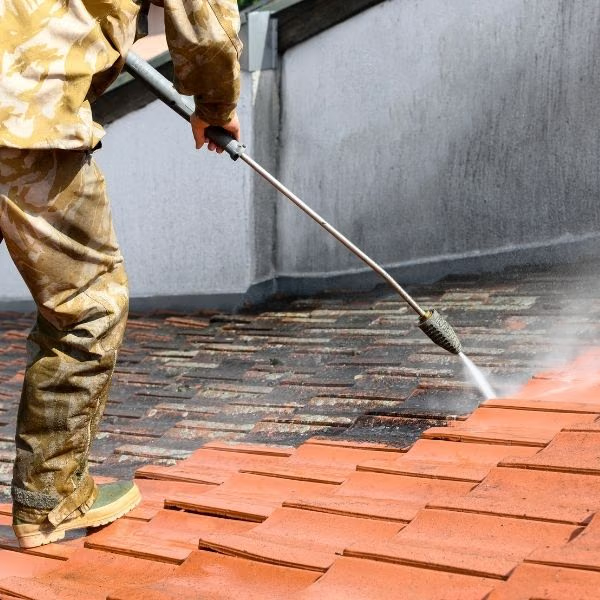
| Pressure cleaning | Water energy removes surface contamination | Pressure at the surface, nozzle, distance, angle, flow and substrate condition |
How pressure cleaning goes wrong
The machine’s maximum rating tells you little about the pressure that should reach the roof. Operator control and surface assessment matter more than the number printed on the equipment.
- A fragile, cracked or badly weathered tile is treated as though it were sound concrete.
- The nozzle is held too close or concentrated on edges, laps and pointing.
- Water is directed upward beneath tiles, flashings or roof sheets.
- An existing coating is stripped unevenly without a plan for the exposed surface.
- Overspray and dirty runoff reach solar equipment, neighbouring property or landscaping.
- Walking and hose movement break components that the water itself did not damage.
How a soft wash goes wrong
Low pressure reduces one type of mechanical risk; it does not remove the need for product knowledge, containment and careful rinsing.
- A solution is selected without confirming compatibility with the roof, coatings or metals.
- Concentration or dwell time is stronger or longer than the surface requires.
- Plants, tanks, gutters and stormwater paths are not considered.
- The roof is called clean while dead growth and residue remain unmanaged.
- “Biodegradable” is treated as permission to discharge carelessly.
Concrete, terracotta and metal are not interchangeable
Concrete tiles may have an aged surface coating. Terracotta can be glazed, unglazed, sound or brittle. Metal roofing introduces laps, fasteners, coatings, corrosion and electrical considerations. Two roofs of the same material can also be in very different condition.
That is why blanket claims such as “never pressure clean tiles” or “chemicals are always safer” are too simple. The first question is what is on the roof and what condition it is in. The second is what outcome is actually required.
Six questions to ask before anyone starts
- What roof material and existing finish have you identified?
- What defects or fragile areas change your method?
- Are you using water pressure, cleaning products or both—and why?
- How will you protect gutters, tanks, solar panels, plants and neighbouring areas?
- Where will runoff go, and how will debris be managed?
- What will the roof look like immediately, and what change should I expect later?
The Apex position: plan before pressure
Apex does not treat one technique as the universal answer. We inspect accessible condition, identify surface and drainage risks, then propose a cleaning method suited to the property. Where cleaning would expose a repair need or create an unacceptable risk, that should be explained before work proceeds.
The most impressive cleaning result is not the strongest machine or the cleverest chemical name. It is a clean roof, protected surroundings and a homeowner who understands exactly what was done.
Fast answers
Questions Melbourne homeowners ask.
Is soft washing always safe for roof tiles?
No method is automatically safe. Product compatibility, concentration, dwell time, runoff and roof condition all need to be considered.
Can high-pressure water crack roof tiles?
Poorly controlled pressure and unsafe roof access can damage fragile or deteriorated components. Suitability and technique must be assessed first.
Does roof cleaning stop moss permanently?
No. Cleaning removes existing contamination, but shade, moisture, nearby vegetation and roof design influence regrowth.
Can roof-cleaning runoff enter a rainwater tank?
Roof drainage and connected tanks must be considered before cleaning. Ask the contractor how isolation, diversion and reconnection will be handled for the proposed method.